
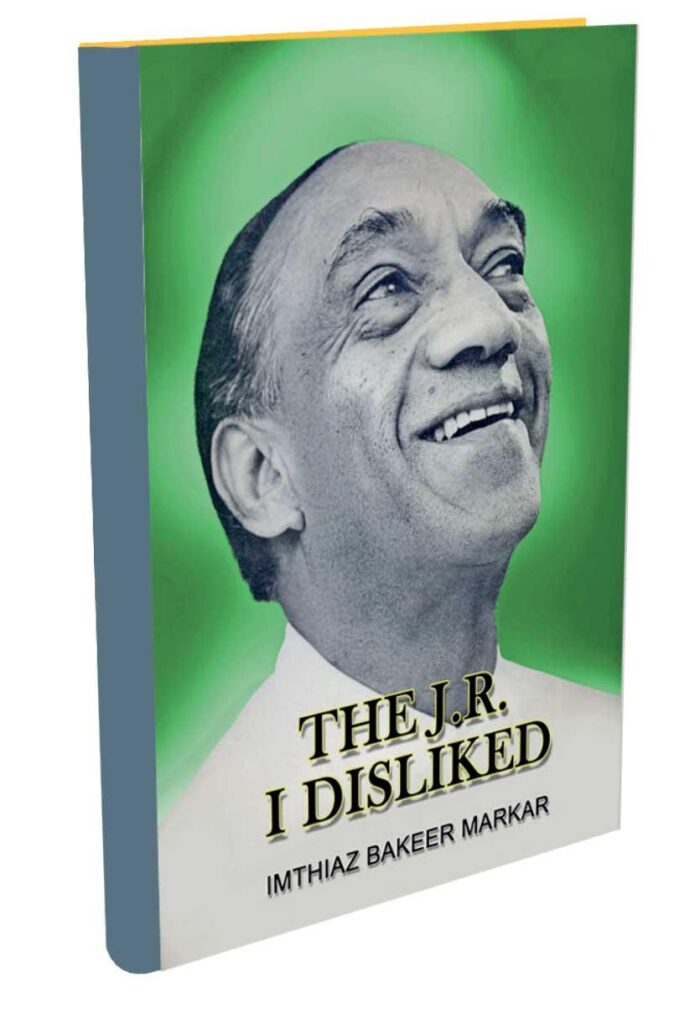
හිටපු පාර්ලිමේන්තු මන්ත්රී ඉම්තියාස් බාකීර් මාකර් විසින් පවත්වන ලද ජේ.ආර්. ජයවර්ධන අනුස්මරණ දේශනය පාදක කරගත් “මා අකමතිව සිටි ජේ.ආර්” (මම අකමැති ජේ.ආර්.) පොතේ නිල එළිදැක්වීම සහ එහි දෙමළ සහ ඉංග්රීසි පරිවර්තන මාර්තු 30 (සඳුදා) සවස 4:15 ට ජේ.ආර්. ජයවර්ධන මධ්යස්ථානයේදී (191, ධර්මපාල මාවත, කොළඹ 07) පැවැත්වේ. ආචාර්ය රංග කලන්සූරිය (ප්රාදේශීය උපදේශක (ආසියාව), ජාත්යන්තර මාධ්ය සහාය, ඉස්ලාමීය පදනමේ (එක්සත් රාජධානිය) සභාපති ආචාර්ය රේස් මුස්තාෆා සහ දේශපාලන ක්රියාකාරික රෙහාන් ජයවික්රම මහතා වැනි කථිකයින් මෙම උත්සවයේදී පොත සමාලෝචනය කරනු ඇත.
පහත දැක්වෙන්නේ පොත පිළිබඳ සමාලෝචනයකි:
එක්සත් රාජධානියේ ඉස්ලාමීය පදනමේ සභාපති ආචාර්ය රේස් මුස්තාෆා විසිනි.
JR: A great tree on the banks of the river of time
සමාලෝචනය ආරම්භ කිරීමට පෙර, දශක ගණනාවකට පෙර මතකයක් – හිටපු ජනාධිපති දිවංගත ජේ.ආර්. ජයවර්ධන සමඟ හමුවීමක්, මගේ මනසේ ගැඹුරින් මතු වේ.
ඒ කාලයේ මම නවලෝක රෝහලේ තරුණ වෛද්යවරයෙකු ලෙස සේවය කරමින් සිටියෙමි. කෙනෙකුගේ රුධිර පීඩනය පරීක්ෂා කිරීමට මට කතා කරන ලදී. ඇතුළු වූ විට, මම ජේ.ආර්.ජේ මහතා දුටුවෙමි. එය මට ප්රසන්න පුදුමයක් විය.
“මට ඔබ වෙනුවෙන් කළ හැකි යමක් තිබේද” මම උනන්දුවෙන් ඇසුවෙමි. ඔහු පිළිතුරු දුන්නේ, “කිසිවක් අවශ්ය නැත! මගේ බිරිඳ මා අසල සිටින තාක් කල්, එය ප්රමාණවත්.” ඔහු තම බිරිඳ කෙරෙහි දැක්වූ ගැඹුරු ආදරය දැනුණු නිසා මම දැඩි ලෙස සංවේගයට පත් වූයෙමි.
දිවංගත හිටපු ජනාධිපති ජේ.ආර්.ජේ.ජේ.ජේ.ජේ.ජේ.ජයවර්ධනගේ අනුස්මරණ උත්සවය පැවැත්වූයේ එහිදීය. ඉම්තියාස් බාකීර් මාකර් විසින් ‘මම අකමැති වූ ජේආර්’ යන මැයෙන් දේශනයක් පවත්වන ලදී. ප්රධාන දේශනයක බර උසුලන මෙම දේශනය දැන් ප්රකාශිත පොත් පිංචක් ලෙස අපගේ දෑත් වෙත ළඟා වන බව දැකීම සතුටක්.
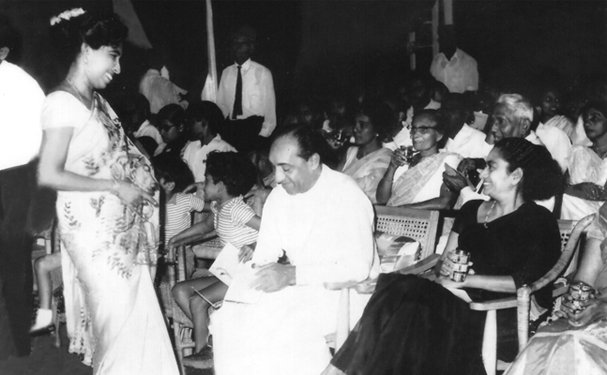
මෙම පොත් පිංචේ මාතෘකාවම ඕනෑම පාඨකයෙකු ආකර්ෂණය කර ගැනීමට ප්රමාණවත්ය. එය අද්විතීය අත්දැකීමක් වන අතර, ‘අකමැත්ත’ යන වචනයෙන් හදවතේ දොරට තට්ටු කරන එකක් වන අතර එය ‘ආදරණීය’ හැඟීමකින් මනස අල්ලා ගනී.
මෙම පොත පුද්ගලයෙකුට ප්රශංසා කරමින් ගායනා කරන ලද වීර කාව්යයක් නොවේ. ඒ වෙනුවට, එය දේශපාලන ශිෂ්ටත්වය, ඉවසීම සහ ජාතියක් ගොඩනැගීමේ සිහිනයේ එකතුවක් ලෙස ප්රකාශ කරයි. ඉතිහාසය ඔබ කැමති නම් පමණක් කියවිය යුතු දෙයක් නොවේ; එය තේරුම් ගැනීමට අදහස් කෙරේ. එය කියවන්න! ඔබ ආදරය නොකරන කෙනෙකු තුළ සැඟවී ඇති ආදරණීය ගුණාංග ඔබට අවබෝධ වනු ඇත.
JRJ ගේ අධිෂ්ඨානය, ඔහුගේ දුර්ලභ පෞරුෂය සහ එක්සත් ජාතික පක්ෂයේ ජීව ශක්තිය සහ නැගීම සඳහා ඔහුගේ දූරදර්ශීභාවය ඔහුට ආදරය නොකළ අය පවා – රහසින් ඔහුව අගය කළේය.
විරුද්ධවාදියෙකුගේ කාචය හරහා, කතුවරයා නායකයෙකු පිළිබඳ නව ඉදිරිදර්ශනයක් ඉදිරිපත් කරයි. බලයේ උච්චතම අවස්ථාවේ සිටින අය බොහෝ විට විවේචනයට බිය වෙති; නමුත් JR ජයවර්ධන තමාට විරුද්ධ වූ ශිෂ්ය නායකයෙකු වැළඳගෙන එම දක්ෂතාව ජාතිය වෙනුවෙන් යොදා ගත් ආකාරය පරිණත නායකත්වයේ ලක්ෂණයකි. කතුවරයා මෙය හුදෙක් තොරතුරු ලෙස නොව, චරිතය පිළිබඳ පාඩමක් ලෙස සටහන් කරයි. දේශනය පාඨකයන්ට දේශපාලනයේ සංකීර්ණතා සහ නායකත්වයේ සියුම් බව ග්රහණය කර ගැනීමට ද උපකාරී වේ.
JRJ මධ්යයේ පවත්වා ගෙන යන සන්සුන් භාවය 1973 දී අනුරාධපුර වීදිවල වෙඩි තැබීම්, අර්බුදකාරී කාලවලදී නායකයෙකු ස්ථාවරව සිටිය යුතු ආකාරය පිළිබඳ සාක්ෂියක් ලෙස සේවය කරයි. කතුවරයා අවධාරණය කරන්නේ ඔහු ඝෝෂාකාරී දිය ඇල්ලක් නොව, ගැඹුරක් නැති සාගරයක් බවයි; වචන අරපිරිමැස්මෙන් හා ක්රියාවන් සිංහාසනාරූඪ කළ ස්වාමියෙකු බවයි.
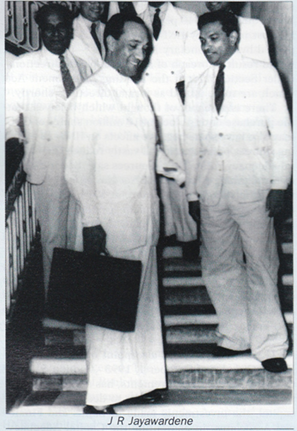
ශ්රී ලංකාව අද හුස්ම ගන්නා ‘විවෘත ආර්ථිකය’ සහ මහවැලි ව්යාපෘතියේ වේලි පිටුපස ඇති දූරදර්ශීභාවය මෙම පොත ඉතා අලංකාර ලෙස විස්තර කරයි. චීනය වර්තමානයේ ගමන් කරන මාර්ගය අපේක්ෂා කළ සහ එදා ශ්රී ලංකාව එම ගමන් පථය කරා යොමු කළ ඔහුගේ දැක්ම විශ්මයජනකයි. ශ්රී ලංකාවේ ආර්ථික විප්ලවයේ උදෑසන තාරකාව ලෙස ඔහුව හැඳින්වීම අතිශයෝක්තියක් නොවේ.
මුල් කෘතියේ ආත්මයට හානි නොකර මාෆාස් සනූන් දෙමළ පරිවර්තනය සපයා ඇති ආකාරය ප්රශංසනීයයි. ඓතිහාසික ලේඛනයක් වීමට අමතරව, එය නවකතාවක් කියවීමේ හැඟීම ලබා දෙයි.
මෙම පොත පුද්ගලයෙකුට ප්රශංසා කිරීම සඳහා ගායනා කරන ලද වීර කාව්යයක් නොවේ. ඒ වෙනුවට, එය දේශපාලන ශිෂ්ටත්වය, ඉවසීම සහ ජාතියක් ගොඩනැගීමේ සිහිනයේ එකතුවක් ලෙස ප්රකාශ කරයි. ඉතිහාසය ඔබ කැමති නම් පමණක් කියවිය යුතු නොවේ; එය තේරුම් ගැනීමට අදහස් කෙරේ. කියවන්න! ඔබ ආදරය නොකරන කෙනෙකු තුළ සැඟවී ඇති ආදරණීය ගුණාංග ඔබට වැටහෙනු ඇත.
සාරාංශයක් ලෙස, ‘මම අකමැති ජේආර්’ දේශපාලන ලෝලීන් සහ සිසුන් යන දෙදෙනාම කියවිය යුතුම දෙයකි.පහත පළවන්නේ එහි ඉංග්රීසි ලිපිය යි.
‘The J.R. I Did Not Like’: A book that helps readers grasp the complexities of politics
By Dr. Rayes Musthafa- President, Islamic Foundation (UK)
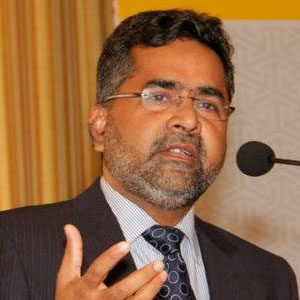
The official launch of the book “Maa Akamathiwa siti J.R.” (The J.R. I Disliked), based on the J.R. Jayewardene Memorial Lecture delivered by former Parliamentarian Imthiaz Bakeer Markar, along with its Tamil and English translations, will be held on March 30 (Monday) at 4:15 PM at the J.R. Jayewardene Centre (191, Dharmapala Mawatha, Colombo 07). Speakers in the likes of Dr. Ranga Kalansooriya (Regional Advisor (Asia), International Media Support, Dr. Rayes Musthafa – President, Islamic Foundation (UK) and Mr. Rehan Jayawickreme – Political Activist will review the book at the event.
The following is a review of the book:
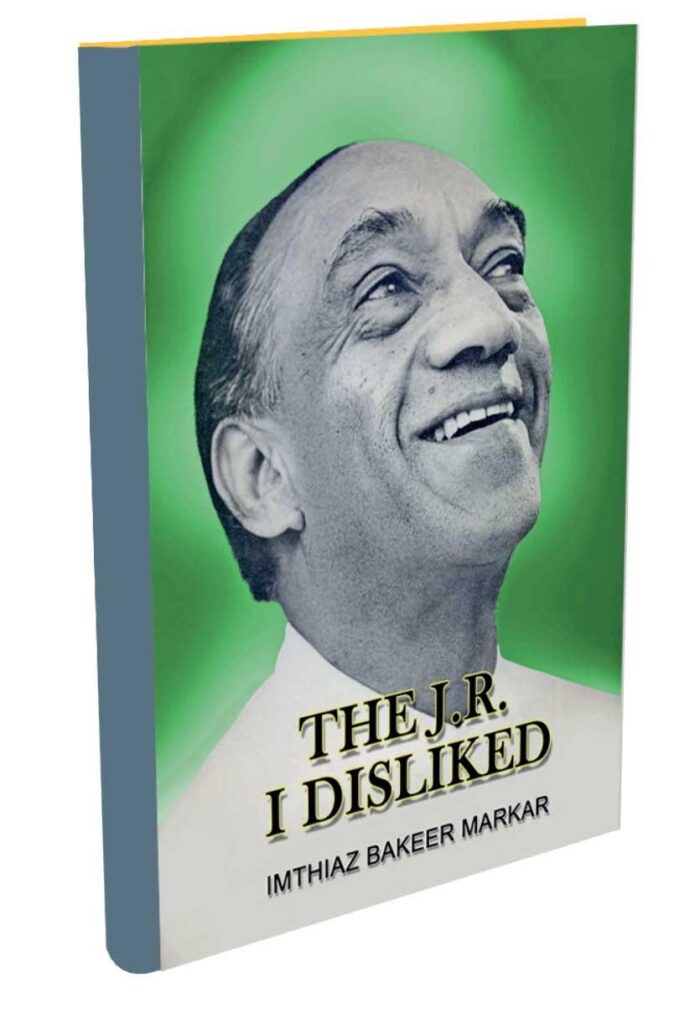
J.R.: A great tree on the banks of the river of time
Before beginning the review, a memory from decades ago- of a meeting with former President, the late J.R. Jayewardene, floats up from the depths of my mind.
At that time, I was working as a young doctor at Nawaloka Hospital. I was called in to check someone’s blood pressure. Upon entering, I saw Mr. J.R.J. It was a pleasant surprise for me.
“Is there anything I can do for you” I asked eagerly. He replied, “Nothing is needed! As long as my wife is beside me, that is enough.” I was deeply moved, sensing the profound love he held for his wife.
On the anniversary of the late former President J.R.J’s memorial event was held where Imthiaz Bakeer Markar delivered an address titled ‘The J.R. I Did Not Like.’ It is a pleasure to see this oration, which carries the weight of a keynote address, now reaching our hands as a published booklet.
The very title of this booklet is enough to pull any reader in. It is a unique experience, one that knocks on the door of the heart with the word ‘dislike’ only to occupy the mind with a sense of ‘affection.’
J.R.J’s determination, his rare personality, and his foresightedness for the vitality and rise of the United National Party made even those who did not love him- secretly admire him.
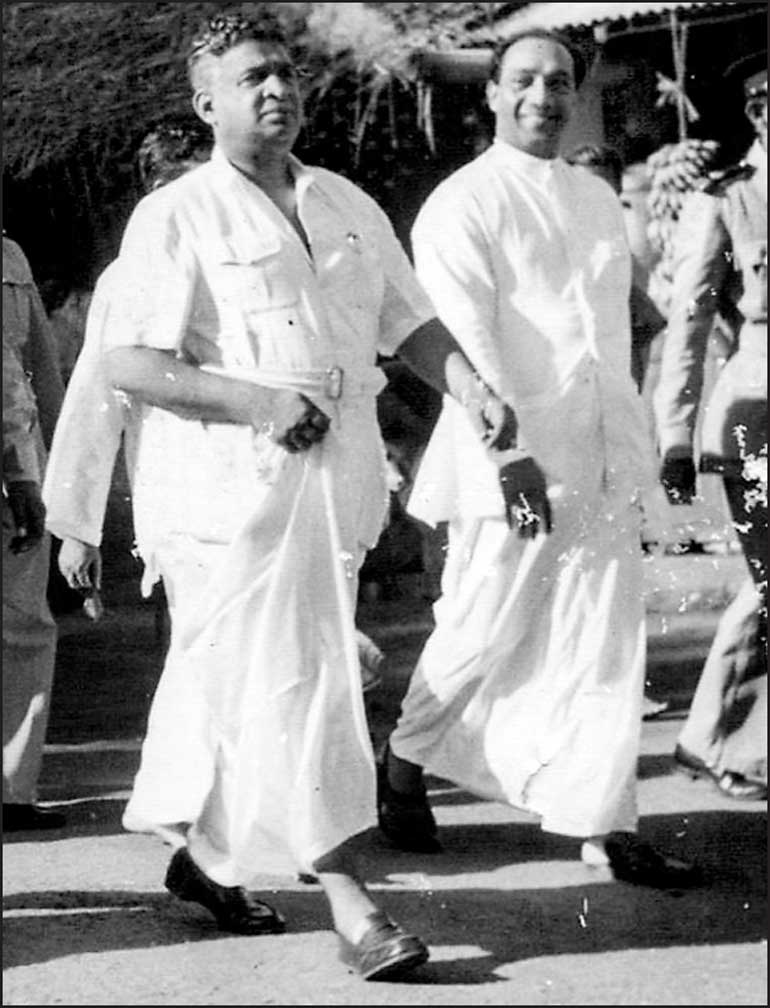
Through the lens of an opponent, the author presents a new perspective on a leader. Those at the height of power often fear criticism; but the way J.R. Jayewardene embraced a student leader who opposed him and utilised that talent for the nation is a hallmark of mature leadership. The author records this not merely as information, but as a lesson in character. The speech also helps readers grasp the complexities of politics and the subtleties of leadership.
The composure J.R.J. maintained amidst gun points on the streets of Anuradhapura in 1973 serves as a testament to how a leader must remain steady during times of crisis. The author emphasises that he was not a noisy waterfall, but a fathomless ocean; a master who economised words and enthroned actions.
The book beautifully describes the foresight behind the ‘Open Economy’ that Sri Lanka breathes today and the Mahaweli Project dams that stand tall. His vision, which anticipated the path China is taking at present and steered Sri Lanka toward that trajectory back then, is astonishing. It is no exaggeration to call him the morning star of Sri Lanka’s economic revolution.
The manner in which Mafas Sanoon has provided the Tamil translation, without bruising the soul of the original work, is commendable. Beyond being a historical document, it offers the feel of reading a novel.
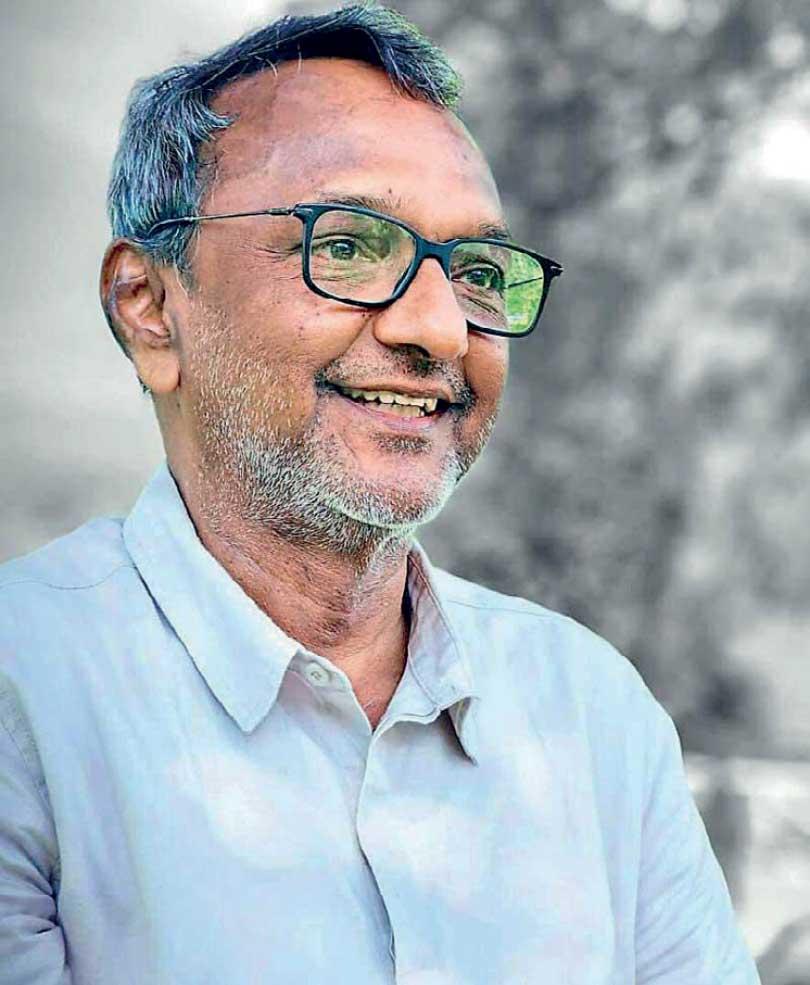
This book is not an epic sung in praise of an individual. Rather, it proclaims itself as a collection of political civility, tolerance, and the dream of building a nation. History is not meant to be read only if you like it; it is meant to be understood. Read it! You will realise the lovable qualities hidden within someone you may not love.
In sum, ‘The J.R. I Did Not Like’ is a must-read for political enthusiasts and students alike.